The Fall 2026 Modern Critical Theory (MCT) Lecture Series at UIUC welcomed Maryam Kashani (Gender & Women’s Studies, UIUC) and her lecture on “Visual Theory” on October 6, 2026. During her presentation, she outlined the basic theoretical framework of the field of visual studies: its importance as an area of inquiry, how to recognize its mechanisms and functions, and how to theorize with it while remaining cautious. Kashani also shared examples from her own film work in Mississippi and exploration of the intersection of race and Islam in the United States.
Kashani began by discussing her current project, filmed in Mississippi at the site where Emmett Till’s brutalized body was found in the Tallahatchie River in 1955. She highlighted his mother’s courageous decision to display her son’s open casket in Chicago, rather than allowing burial in Mississippi, as a major act that challenged prevailing perceptions of white supremacy. The murder and its public display became a critical moment of awakening and politicization. Kashani emphasized that, due to the image-centered nature of our world and the power of images, it was the display of the violence, rather than the act of violence, that sparked a movement and made racism visible.
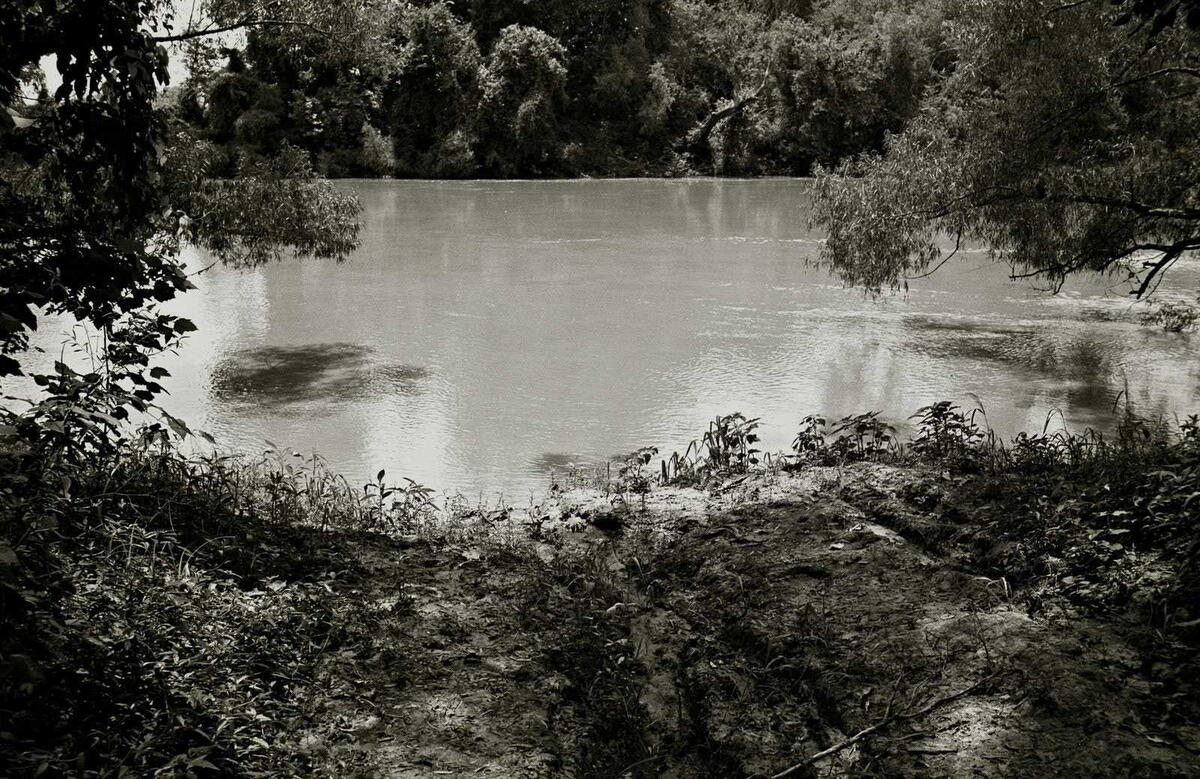
According to Kashani, images profoundly impact us. They shape our understanding of the world and evoke strong emotions, and they carry significant ethical concerns and responsibilities, particularly regarding the potential for flattening shocking imagery. Kashani suggested, referencing Saidiya Hartman’s Scenes of Subjection (1997), that we should consider how difficult it can be to truly understand scenes of terror. We should ask ourselves why we are looking at these images and whether we are trying to understand them better, lessen their impact, or simply aiming for shock. Visuality, how we create and interpret pictures, is different from vision: it is about the stories we tell with images.
Kashani then outlined the theoretical framework of visual theory, dividing it into four main areas. The first is the history of images or iconology, which examines how images have been used throughout history to express and maintain power, communicate ideas, and shape our perceptions. For example, religious figures are represented with halos.
The second area focuses on ways of seeing and practices of looking—how we look and what it means to see, as also illustrated by Laura Mulvey’s concept of the male gaze. This concept suggests that traditional filmmaking often presents the world from a masculine perspective, objectifying women for the pleasure of the male viewer. Kashani questioned the ethics of this kind of spectatorship, highlighting its inherent power imbalances and potential for exploitation.
The third area is contemporary art and visual art production, providing space to critique established artistic canons and elevate non-Western traditions like Indigenous art alongside European ones. This involves challenging biased curatorial practices. For example, curators should avoid labeling African art as fetishistic and instead recognize it as a part of contemporary expression. This shift in perspective is crucial, as Kashani later connected such exclusionary categorizations to broader systems of authoritarian control.
The fourth area is critical visual studies, which understand visuality not as passive observation but as something activated by viewers. Visuality operates as a technique of colonial and imperial power, enabling those in authority to shape historical narratives and project influence beyond direct control. Rooted in military theory, as Nicholas Mirzoeff details in “The Right to Look” (2011) by building on Carl von Clausewitz, visualization functions to demonstrate authority, manufacture consent, and extend the strategic tradition of battlefield oversight into governance. Consequently, critical visual studies challenges dominant modes of seeing by questioning who controls image production and how power operates within visual regimes. It frames visualization not as a neutral act but as an ongoing political struggle over whose perspective prevails. In relation to her own work, Kashani emphasized the importance of considering what is made visible, invisible, transparent, and opaque, referencing the plantation complex and its contemporary manifestation in corporate farming.
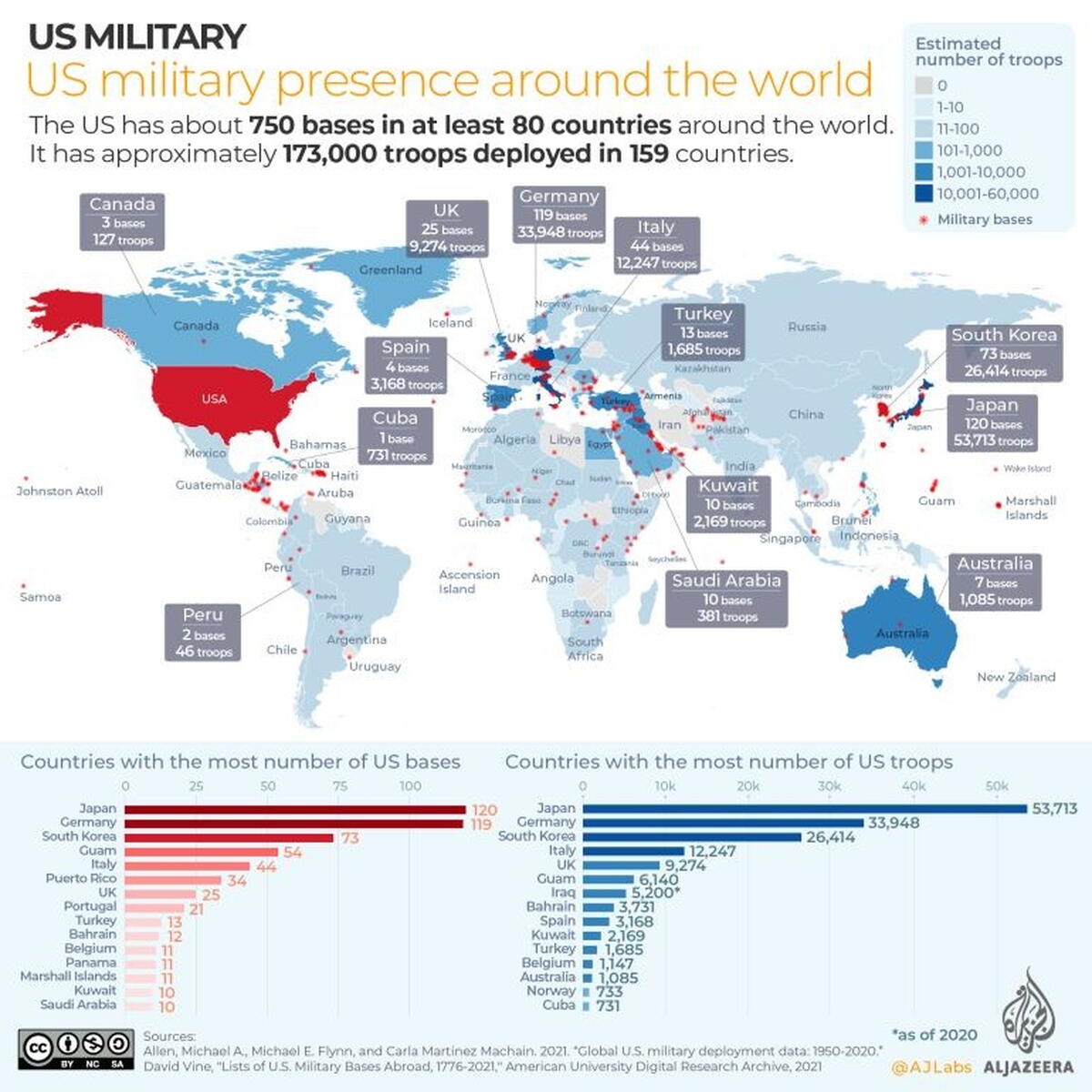
Kashani noted that visuality also relates to authoritarian control, as large corporations dominate movie studios, streaming services, and major franchises. Film and other image technologies shape our perceptions, knowledge, and cognitive abilities; our sensory experiences are conditioned by cinematic parameters and expectations. We are constantly influenced by these effects and the common-sense logics of media. In “The Right to Look,” Mirzoeff identifies three techniques authoritarians employ: classification (determining who is free and enslaved), separation (physical distance enforced by institutions like barracks and police stations as discussed in Frantz Fanon’s The Wretched of the Earth, 1963), and aesthetics (reinforcing classification and separation through a status quo-affirming aesthetic, rather than one of beauty). Kashani illustrated this with the example of a map depicting US military presence worldwide, demonstrating how it visualizes power and translates into control.
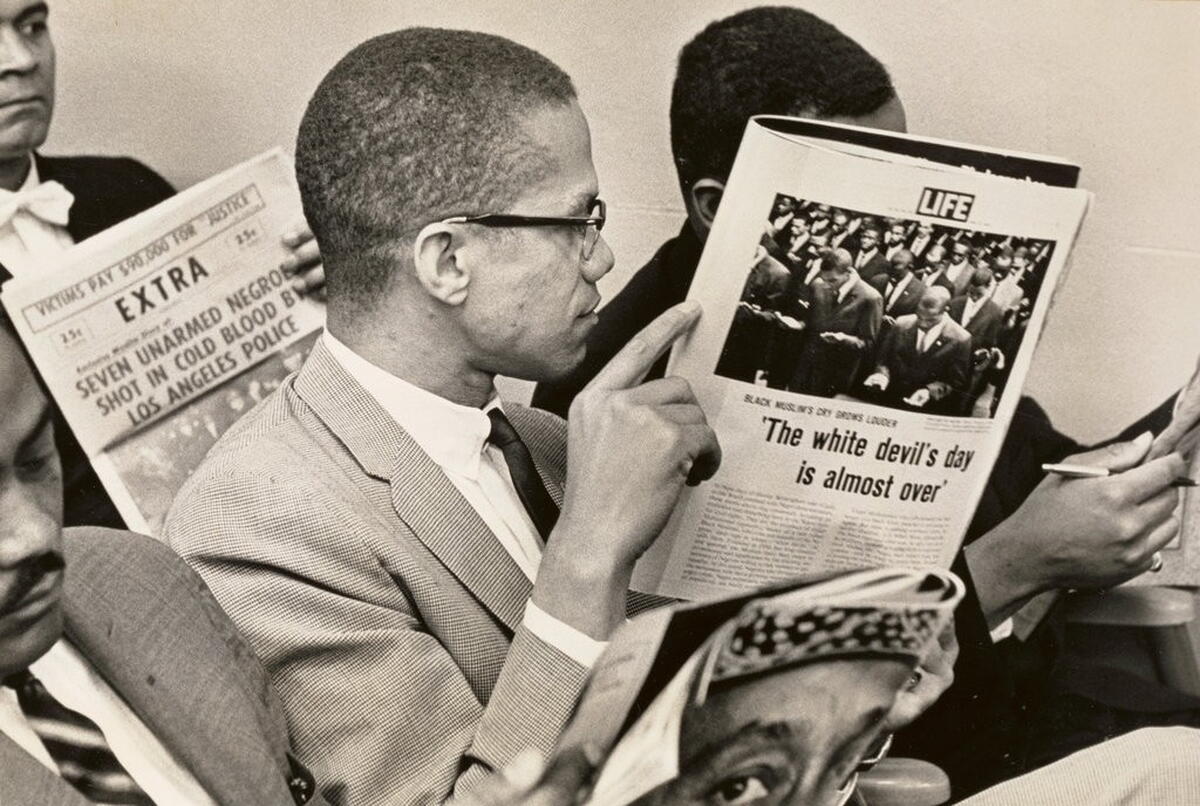
She then discussed El-Hajj Malik El-Shabazz (Malcolm X), whom Eve Arnold’s photo-essay captured in Chicago with the Nation of Islam. Malcolm X understood the power of media and image-making, as well as the nature of his enemies and their fears. He recognized that victims of racism are often portrayed as criminals when they resist violence. Malcolm X consistently presented alternative images that challenged this system, inspiring people to pursue justice, even at risk.
Kashani concluded that we must learn to see the world ethically. Following her presentation, the Q&A delved into whether images are inherently political and if controlling them is even possible or desirable, a discussion that extended to considering the political dimensions within abstract images as well. Concerns about digital ownership were also raised: Who ultimately owns images online? Underlying these questions was a recognition that all images, even those seemingly non-representational, carry narrative weight. Kashani emphasized that visual experience goes beyond simple sight: it is an embodied practice, demonstrated by how today’s children often model themselves after YouTubers rather than their parents.